Romanian Food Every Erasmus Student Should Try
Romanian food doesn't get the international spotlight that Italian or Greek cuisine does, but spend a semester here and you'll understand why locals are so loyal to it: hearty, rich, built for cold winters, and heavily influenced by Ottoman, Austro-Hungarian, and Slavic traditions.
Here's what to actually order, and where to get it without overpaying.
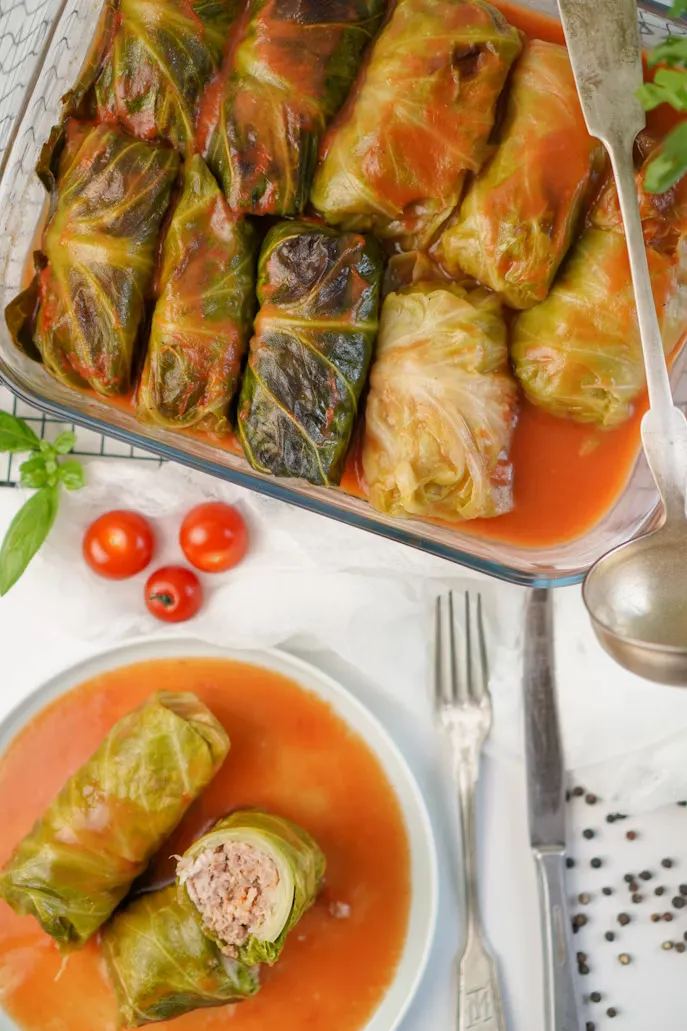
Sarmale — Romania's National Dish
Cabbage leaves stuffed with minced pork and rice, slow-cooked for hours until they fall apart. Sarmale is the dish Romanians serve at every major holiday, and it's the single best introduction to Romanian home cooking. Usually served with a dollop of sour cream and a side of mămăligă (polenta).
Mici — The Grilled Sausages Everyone's Obsessed With
Small, skinless grilled sausages (the name literally means "small ones"), traditionally made with a mix of beef, pork, and lamb, seasoned heavily with garlic and spices. Order them with mustard and fresh bread — this is Romania's answer to the backyard barbecue, and it's everywhere from casual terraces to fine-dining menus.
Papanași — The Dessert You Didn't Know You Needed
Fried dough dumplings, usually shaped like a little doughnut with a ball on top, topped with sour cream and fruit jam (cherry or blueberry are classics). They sound simple; they are not. This is the dessert Romanians get genuinely competitive about, and every restaurant has its own take.
Ciorbă — The Sour Soup That Explains Romanian Comfort Food
Ciorbă is the umbrella term for Romania's sour soups — and "sour" is the key word, usually achieved with fermented bran liquid (borș) or lemon juice. Ciorbă de burtă (tripe soup) is the classic, but ciorbă de perișoare (meatball soup) is the easier entry point if you want to test the waters first. Either way, this is the dish that explains why Romanians consider soup a serious course, not a starter.
Mămăligă and Zacuscă — The Supporting Cast
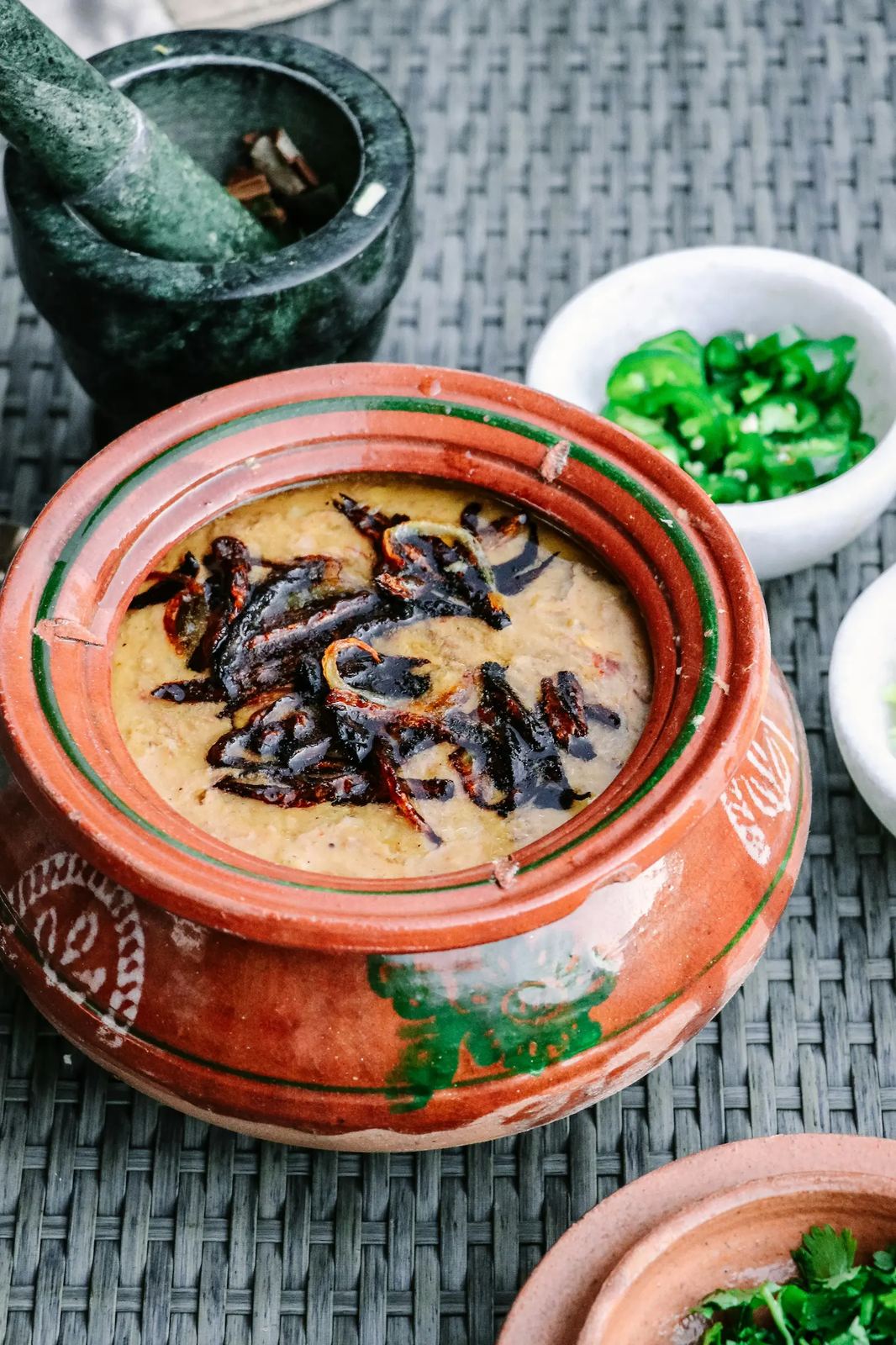
Mămăligă (polenta) shows up as a side to almost everything, sometimes stacked with cheese and egg into a dish called bulz. Zacuscă — a roasted eggplant, pepper, and tomato relish — is what Romanian grandmothers put up in jars every autumn, and you'll find it spread on bread as an appetizer nearly everywhere.
Where to Actually Eat This (Cheap and Good)
La Mama — A reliable chain doing home-style Romanian cooking across multiple locations in the city. Generous portions, all the classics (ciorbă, sarmale, mici), and you'll rarely spend more than 40–50 RON (roughly €8–10) for a full meal with a drink. This is your go-to for a regular, no-fuss Romanian lunch.
Terasa Obor — An outdoor terrace at Obor Market, and consistently rated as some of the best mici in the city. Casual, shared tables, cold beer, no pretense — this is where Bucharesters actually go, not just tourists. Expect a queue, but it moves fast.
A dedicated ciorbă spot near Universitate — worth seeking out if you want a concept built entirely around Romanian soups, with a rotating daily selection and genuinely tiny prices for hearty, warming portions. (If this sounds familiar, it's the same "soup house" concept we mentioned in our cafés & nightlife guide — worth a visit for the food, not just the drinks.)
Caru' cu Bere — The famous one. Established in 1879, with stained glass, spiral staircases, and live folk performances, it's the most Instagrammed restaurant in the city and genuinely touristy — but the papanași here are considered legendary, and it's worth doing once during your semester. Expect to pay more than the spots above (budget €25–30 for a full meal).
Hanu' lui Manuc — A historic inn dating to 1808, with courtyard dining under grapevines in summer. Excellent sarmale and bulz, with Turkish influences reflecting Bucharest's multicultural history. Similarly atmospheric (and similarly priced) to Caru' cu Bere.
Luca — Romania's most beloved bakery chain, and your go-to for covrigi (soft pretzels) on the cheap — a covrig with cheese runs around 5 RON. Perfect for breakfast on the go between classes.
A Practical Tip
Skip buying sarmale or other prepared traditional dishes from a supermarket deli counter if you want the real thing — it's genuinely not the same, and it's an easy way to walk away thinking you don't like Romanian food when you just had a bad version of it. Spend the extra few lei and get it from an actual kitchen.
Fuel Up Before Exploring the City
Good food tastes even better when you're not stressing about where you'll sleep that night. ErasmusPass sets you up in a shared apartment close to the city center, so spots like these are a short walk away — not a whole transit trip.
Great food, right around the corner
Our Armenian Quarter apartment is a short walk from Bucharest's best food scene.